Selecting the best urology products for hospitals is crucial for patient care. According to a recent report by the American Urological Association, over 15 million people in the U.S. suffer from urinary conditions, highlighting the demand for effective solutions. The right products can enhance treatment effectiveness and patient comfort.
Dr. Emily Hartman, a urology specialist, emphasizes, "Choosing the right urology products for hospitals is not just about functionality; it’s about improving patient outcomes." This perspective reflects the need for hospitals to strategically evaluate their urology product selections. Quality equipment can lead to quicker recovery times and fewer complications.
However, many hospitals struggle with this decision. They often face overwhelming choices in a saturated market. Cost, product durability, and supplier reliability all play significant roles in this process. It’s essential for decision-makers to consider user reviews and clinical outcomes. Balancing expertise with practical needs is key. Thus, understanding how to choose the right urology products for hospitals is vital for both healthcare providers and patients alike.
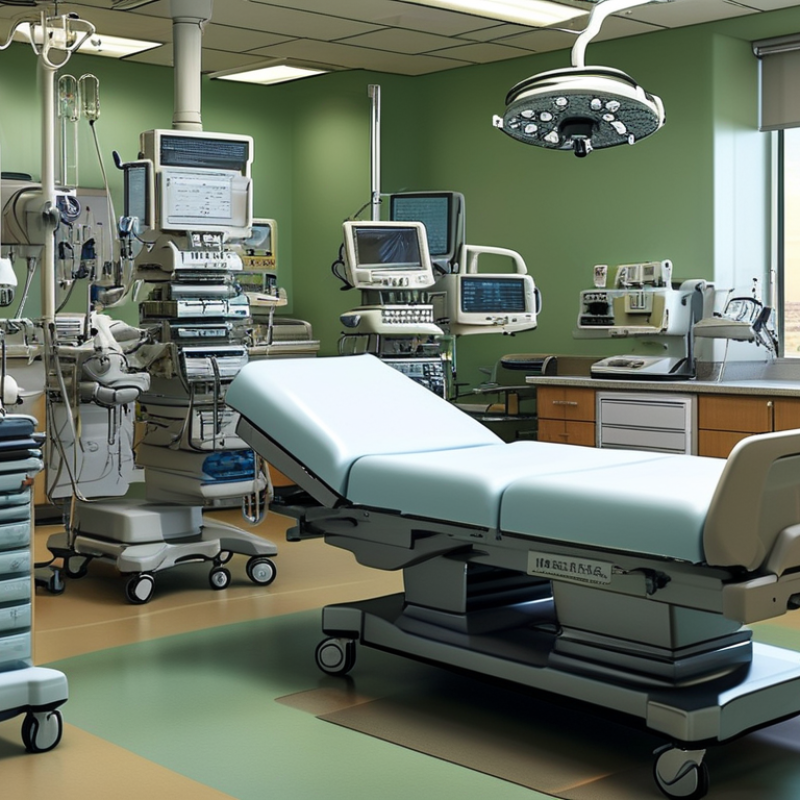
When selecting urology products for hospitals, understanding specific needs is crucial. Hospitals require a variety of items ranging from diagnostic tools to therapeutic devices. Key products often include urinary catheters, endoscopic instruments, and ultrasound equipment. Each of these plays a pivotal role in patient care.
Considering the hospital environment is vital. For example, catheters must be reliable and easy to use. Their design should minimize discomfort for patients. In contrast, endoscopic instruments require precision for effective diagnosis and treatment. Staff training on using these products ensures safety and efficacy.
Evaluating products' performance and durability is essential. Some products may not meet the demands of a busy hospital. Regular feedback from healthcare professionals can help identify shortcomings. This reflection can improve product selection over time. Urology products directly impact patient outcomes, so careful consideration is imperative.
| Product Category | Product Type | Usage | Key Features | Considerations |
|---|---|---|---|---|
| Diagnostic Equipment | Ultrasound Machines | Imaging for kidney and bladder | High-resolution imaging, portable | Cost, maintenance, training for staff |
| Treatment Devices | Laser Equipment | Prostate and stone treatment | Minimally invasive, quick recovery | Initial investment, ongoing costs |
| Surgical Instruments | Endoscopes | Visual assessment and treatment | Flexible, high-definition video | Cleaning protocols, compatibility |
| Catheters | Intermittent Catheters | Urinary retention treatment | Single-use, comfortable design | Material sensitivity, size variety |
| Incontinence Products | Adult Diapers | Managing incontinence in patients | Absorbent, discreet | Size options, comfort, breathability |
| Monitoring Devices | Bladder Scanners | Post-void residual measurement | Non-invasive, quick results | Calibration, training for use |
: Quality and safety standards ensure patient safety. Many devices fail to meet necessary benchmarks.
ISO 13485 is a certification for quality management systems. It guarantees strict design and manufacturing practices.
Hospitals should review performance data and track records. Proven equipment is less likely to cause adverse effects.
CE marking shows compliance with European safety standards. However, not all devices have this mark.
A reliable supplier can significantly impact hospital operations. Reviewing feedback helps gauge their reliability.
Responsive customer service is essential for quick issue resolution. Timely support can prevent operational delays.
Hospitals should seek references from other facilities. Direct communication reveals experiences and supplier strengths.
Yes, continual evaluation is necessary. Service quality may decline, warranting reassessment of long-term suppliers.
Staff training enhances the effectiveness of urology products. Knowledgeable staff can better manage equipment use.
Engaging healthcare professionals helps identify issues early. This proactive approach supports better patient outcomes.
When considering how to choose the right urology products for hospitals, it is essential to identify the key products required based on clinical needs. Evaluating quality and safety standards for urology equipment is crucial to ensure that the selected items are reliable and effective. Additionally, assessing the cost-effectiveness of these products can help hospitals manage their budgets while still providing high-quality care.
Furthermore, reviewing the reputation of suppliers and their customer service can significantly impact the overall experience of procurement. Finally, ensuring compliance with regulatory requirements is vital to maintain safety and efficacy in urology supplies. By taking these steps, hospitals can make informed decisions that enhance patient care and operational efficiency.

 Ryu Medical